... Although some herbs and plant botanicals, such as milk thistle and red yeast rice, have been touted as beneficial, they may potentially interact with certain antiretroviral drugs. ...
Healthy Diet and Nutrition in HIV
... Although some herbs and plant botanicals, such as milk thistle and red yeast rice, have been touted as beneficial, they may potentially interact with certain antiretroviral drugs. ...
... Feeding and Maintaining Milk Supply — U.S. ...
... The amount of vitamin D your body makes depends on how much sun you get and your skin color.Additionally, certain foods serve as good sources of vitamin D, including: Fatty fish, such as salmon, mackerel, and tuna Fortified foods, including cow’s milk, plant-based milk, orange juice, and breakfast cereal Egg yolks What’s the Right Amount of Vitamin ...
Vitamin D and HIV: What’s the Connection?
... The amount of vitamin D your body makes depends on how much sun you get and your skin color.Additionally, certain foods serve as good sources of vitamin D, including: Fatty fish, such as salmon, mackerel, and tuna Fortified foods, including cow’s milk, plant-based milk, orange juice, and breakfast cereal Egg yolks What’s the Right Amount of Vitamin ...
... An online survey by the pharmaceutical company ViiV found that people struggle with daily pills due to emotional challenges like anxiety about missed or late doses and because of privacy concerns about others discovering their HIV status.Although injections can be painful and require administration by a nurse, Cabenuva and Apretude are only administered ...
Injectables for HIV Treatment and Prevention: How They Work
... An online survey by the pharmaceutical company ViiV found that people struggle with daily pills due to emotional challenges like anxiety about missed or late doses and because of privacy concerns about others discovering their HIV status.Although injections can be painful and require administration by a nurse, Cabenuva and Apretude are only administered ...
... Even when people are undetectable, small levels of HIV can be found in different parts of the body, especially the genital tract and central nervous system, and in fluids such as breast milk and cerebrospinal fluid. Moreover, the risk of HIV transmission through blood is well documented. ...
Can You Donate Blood, Plasma, or Organs With Undetectable HIV?
... Even when people are undetectable, small levels of HIV can be found in different parts of the body, especially the genital tract and central nervous system, and in fluids such as breast milk and cerebrospinal fluid. Moreover, the risk of HIV transmission through blood is well documented. ...
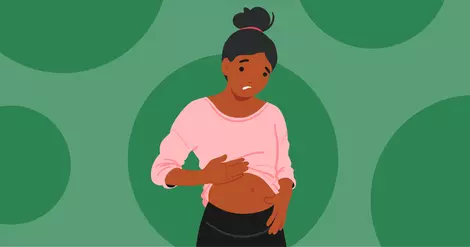
... These changes also support your overall health, which is important for boosting your immune system when living with HIV.Consider adding more of these foods to your diet: Fruits and vegetables Foods high in protein, like fish, chicken, and beans Whole grains Foods high in calcium like yogurt, milk, or calcium-fortified plant-based options HIV.gov also ...
HIV and Hard Belly: Lipodystrophy Pictures, Symptoms, and Treatment
... These changes also support your overall health, which is important for boosting your immune system when living with HIV.Consider adding more of these foods to your diet: Fruits and vegetables Foods high in protein, like fish, chicken, and beans Whole grains Foods high in calcium like yogurt, milk, or calcium-fortified plant-based options HIV.gov also ...
... One of the virus’s proteins (called reverse transcriptase) makes a copy of the viral RNA using DNA. The T cell then carries this viral DNA into the infected cell’s nucleus, where all the rest of the cell’s DNA is stored. ...
HIV as a Retrovirus: Life Cycle and How It Infects a Cell
... One of the virus’s proteins (called reverse transcriptase) makes a copy of the viral RNA using DNA. The T cell then carries this viral DNA into the infected cell’s nucleus, where all the rest of the cell’s DNA is stored. ...
... Instead, blood from one partner’s open wound makes its way into the other partner’s wound, transmitting the virus. However, HIV transmission in this manner seldom occurs.As with saliva, HIV does not spread through several other body fluids, including urine, tears, feces, and sweat. ...
Can You Get HIV From Sharing a Drink? Myths vs. Facts
... Instead, blood from one partner’s open wound makes its way into the other partner’s wound, transmitting the virus. However, HIV transmission in this manner seldom occurs.As with saliva, HIV does not spread through several other body fluids, including urine, tears, feces, and sweat. ...
... Refer to the specific route of transmission, such as blood, amniotic fluid, semen, vaginal fluids, or breast milk. Instead of saying “victims,” “sufferers,” or “patients” of HIV or AIDS, use people-centered language. ”People living with HIV” is a good choice. ...
5 Ways To End HIV Stigma
... Refer to the specific route of transmission, such as blood, amniotic fluid, semen, vaginal fluids, or breast milk. Instead of saying “victims,” “sufferers,” or “patients” of HIV or AIDS, use people-centered language. ”People living with HIV” is a good choice. ...
... CD4 cells are an important part of the immune system, so as HIV kills CD4 cells, it weakens the immune system and makes it harder for the body to fight off infections and even some types of cancer. ...








 Join
Join