... Department of Agriculture Diet and Exercise for HIV-Positive Individuals — University of California San Diego Health Effects of Vitamin D Supplementation on Bone Mineral Density and Bone Markers in HIV-infected Youth — Journal of Acquired Immune Deficiency Syndromes Inflammation and Vitamin D: The Infection Connection — Inflammation Research Vitamin ...
Healthy Diet and Nutrition in HIV
... Department of Agriculture Diet and Exercise for HIV-Positive Individuals — University of California San Diego Health Effects of Vitamin D Supplementation on Bone Mineral Density and Bone Markers in HIV-infected Youth — Journal of Acquired Immune Deficiency Syndromes Inflammation and Vitamin D: The Infection Connection — Inflammation Research Vitamin ...
... Chapter Ten — Immunomodulatory Effect of Vitamin D on Immune Response to Dengue Virus Infection — Vitamins and Hormones Vitamin D Deficiency in Adults: Definition, Clinical Manifestations, and Treatment — UpToDate Bone and Calcium Disorders in Patients With HIV — UpToDate Dysregulated B Cell Expression of RANKL and OPG Correlates With Loss of Bone Mineral ...
Vitamin D and HIV: What’s the Connection?
... Chapter Ten — Immunomodulatory Effect of Vitamin D on Immune Response to Dengue Virus Infection — Vitamins and Hormones Vitamin D Deficiency in Adults: Definition, Clinical Manifestations, and Treatment — UpToDate Bone and Calcium Disorders in Patients With HIV — UpToDate Dysregulated B Cell Expression of RANKL and OPG Correlates With Loss of Bone Mineral ...
... Feeding and Maintaining Milk Supply — U.S. ...
... Even when people are undetectable, small levels of HIV can be found in different parts of the body, especially the genital tract and central nervous system, and in fluids such as breast milk and cerebrospinal fluid. Moreover, the risk of HIV transmission through blood is well documented. ...
Can You Donate Blood, Plasma, or Organs With Undetectable HIV?
... Even when people are undetectable, small levels of HIV can be found in different parts of the body, especially the genital tract and central nervous system, and in fluids such as breast milk and cerebrospinal fluid. Moreover, the risk of HIV transmission through blood is well documented. ...
... Refer to the specific route of transmission, such as blood, amniotic fluid, semen, vaginal fluids, or breast milk. Instead of saying “victims,” “sufferers,” or “patients” of HIV or AIDS, use people-centered language. ”People living with HIV” is a good choice. ...
5 Ways To End HIV Stigma
... Refer to the specific route of transmission, such as blood, amniotic fluid, semen, vaginal fluids, or breast milk. Instead of saying “victims,” “sufferers,” or “patients” of HIV or AIDS, use people-centered language. ”People living with HIV” is a good choice. ...
... Low-fat dairy products, including milk, yogurt, and cheese, provide key vitamins and minerals — such as calcium. Lean proteins found in beans, nuts, fish, eggs, and poultry also provide vitamins and minerals. ...
... A parent who is not on ART or does not have undetectable virus levels should feed their baby with formula or banked, pasteurized donor human milk. Importantly, their care team should ensure access to clean water, safe formula, and donor breast milk (if available). ...
HIV and Pregnancy: Preventing Transmission
... A parent who is not on ART or does not have undetectable virus levels should feed their baby with formula or banked, pasteurized donor human milk. Importantly, their care team should ensure access to clean water, safe formula, and donor breast milk (if available). ...
... These changes also support your overall health, which is important for boosting your immune system when living with HIV.Consider adding more of these foods to your diet: Fruits and vegetables Foods high in protein, like fish, chicken, and beans Whole grains Foods high in calcium like yogurt, milk, or calcium-fortified plant-based options HIV.gov also ...
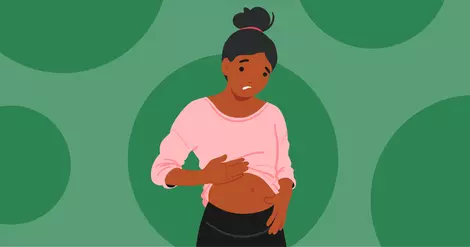
HIV and Hard Belly: Lipodystrophy Pictures, Symptoms, and Treatment
... These changes also support your overall health, which is important for boosting your immune system when living with HIV.Consider adding more of these foods to your diet: Fruits and vegetables Foods high in protein, like fish, chicken, and beans Whole grains Foods high in calcium like yogurt, milk, or calcium-fortified plant-based options HIV.gov also ...
... The virus can be spread only through contact with an HIV-positive person’s bodily fluids (blood, semen, vaginal or rectal fluids, or breast milk). ...
... If you’re considering trying a vitamin or mineral supplement, speak with your health care provider first. 3. Limit Your Alcohol ConsumptionDid you know that regularly consuming alcohol can directly damage your immune cells, thereby weakening your immune system? ...








 Join
Join