
Powered By



Is catching a flu or cold worse for people with HIV?
Yes, catching a flu or cold can be more serious when you're living with HIV, especially if your immune system is weakened. When your CD4 count is low, your body has a harder time fighting off infections that might be mild for others.
People with HIV who have weakened Show Full Answer
I colds aren't worse. They just last longer
When taking over-the-counter (OTC) cold and flu medicines, people living with HIV need to be mindful of how these drugs interact with their antiretroviral therapy (ART). Most common cold meds are safe, but there are a few important exceptions.
Managing Cold Meds and HIV: What’s Safe?
Most standard "off-the-shelf" remedies are perfectly fine to use, but because some HIV medications change how your liver and kidneys process drugs, you should keep these three things in mind:
1. The "Ritonavir/Cobicistat" Rule
If your HIV regimen includes a "booster" like Ritonavir (Norvir) or Cobicistat (Tybost) (found in meds like Genvoya, Stribild, or Evotaz), you need to be careful with certain nasal sprays and cough syrups.
Avoid Fluticasone (Flonase): This common allergy/cold nasal spray can interact with boosters and cause a serious condition called Cushing’s Syndrome (excess cortisol).
Alternative: Saline nasal sprays or those containing mometasone (Nasonex) are generally considered safer, but always double-check with your pharmacist.
2. Watch Out for Decongestants (Sudafed)
If your HIV meds (or the HIV itself) have impacted your blood pressure or heart health, be cautious with decongestants containing Pseudoephedrine or Phenylephrine. These can raise blood pressure and heart rate.
Alternative: Use a humidifier or a neti pot (with distilled water only!) to clear your sinuses without the "jitters."
3. Pain Relievers (Tylenol vs. Advil)
Acetaminophen (Tylenol): Generally safe, but because both Tylenol and many HIV meds are processed by the liver, do not exceed 3,000mg in 24 hours.
Ibuprofen/Naproxen (Advil/Aleve): These are processed by the kidneys. If your doctor has told you that your HIV meds (like those containing Tenofovir) are affecting your kidney function, it’s best to stick with Tylenol.
4. Multivitamins and "Zinc" Boosters
Products like Airborne or Emergen-C contain high doses of minerals.
Interaction Risk: Some HIV medications (specifically Integrase Inhibitors like Dovato, Tivicay, or Biktarvy) can bind to minerals like magnesium, aluminum, or calcium, making the HIV med less effective.
The Fix: Take your HIV medication 2 hours before or 6 hours after taking any supplement containing minerals or antacids.
The "Pharmacist Check" Tip
The easiest way to be 100% sure is to ask the pharmacist. You can simply say:
"I’m taking a medication that affects my liver/kidney metabolism. Is this cold medicine safe to mix with it?" They are experts in "drug-drug interactions" and can steer you toward the safest choice in the aisle.
The short answer is it can be, but your current health and treatment status make a huge difference in how your body handles it.
Here is a breakdown of what the community should know:
1. The Role of Your Immune System
The "job" of HIV is to target CD4 cells (the "generals" of your immune system).
If you are on ART and Undetectable: Your immune system is usually strong enough to fight off a cold or flu just like anyone else’s. You might still feel miserable for a few days, but your body has the tools it needs to recover.
If your CD4 count is low (below 200): Your immune system is "short-staffed." This makes it harder to fight the virus, meaning a simple cold could last longer, or the flu could more easily turn into something serious like pneumonia.
2. Risk of Secondary Infections
For someone living with HIV, the main concern isn't usually the flu virus itself, but the "secondary" infections that follow. Because the flu weakens the lungs and immune system, it’s easier for bacteria to move in. This is why doctors strongly recommend the Pneumonia vaccine in addition to the annual flu shot for our community.
3. Flu vs. "HIV Flu"
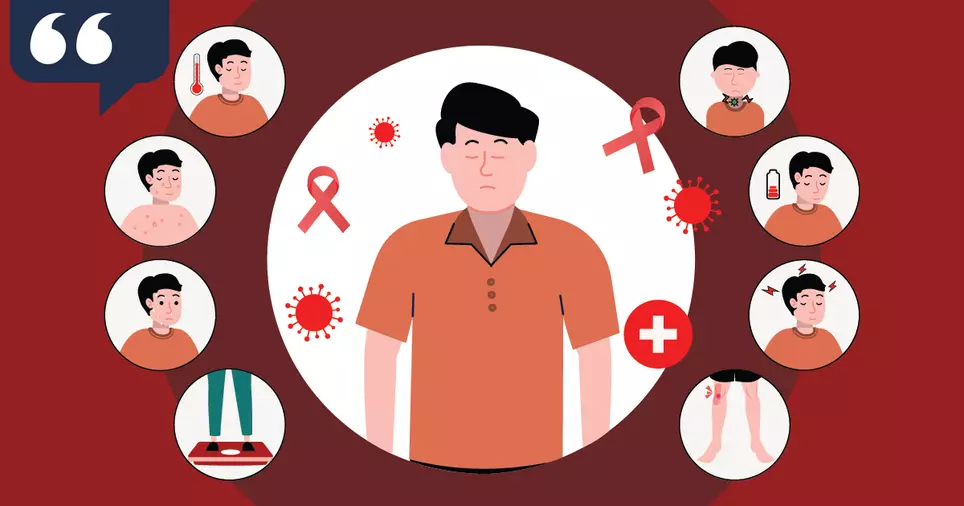
It's important to remember that when someone is first infected with HIV, they often get "flu-like" symptoms (fever, rash, sore throat). However, if you are already diagnosed and on treatment, a new fever or cough is likely just a standard seasonal bug—but you should still keep an eye on it.
4. Prevention is Different for Us
Get the Shot, Not the Spray: The CDC recommends that people with HIV get the flu shot (which uses a "dead" virus) rather than the nasal spray (which uses a "weakened live" virus). The shot is safer for those with compromised immune systems.
Early Treatment: If you think you have the flu, call your doctor immediately. They can prescribe antivirals (like Tamiflu). These work best when started within 48 hours and can prevent the flu from becoming severe.
The Bottom Line:
If you are staying on top of your meds and your labs are good, a cold is usually just a cold. But because we have to be a little more "body-aware," it’s always better to rest early, hydrate, and check in with your doctor if a fever doesn't break.

 Join
Join



 Your Privacy Choices