
Powered By



For many people, a human immunodeficiency virus (HIV) diagnosis raises a host of questions — not just about treatment, but about what to expect day to day. Some symptoms, like fevers or weight loss, are commonly discussed. Others may be unexpected, confusing, or even mistaken for unrelated health issues.
We analyzed comments from more than 160 members of myHIVteam about the unexpected symptoms they’ve had. They shared their experiences with the unpredictable ways HIV has affected their bodies, minds, and relationships. Here are eight symptoms that took many by surprise.
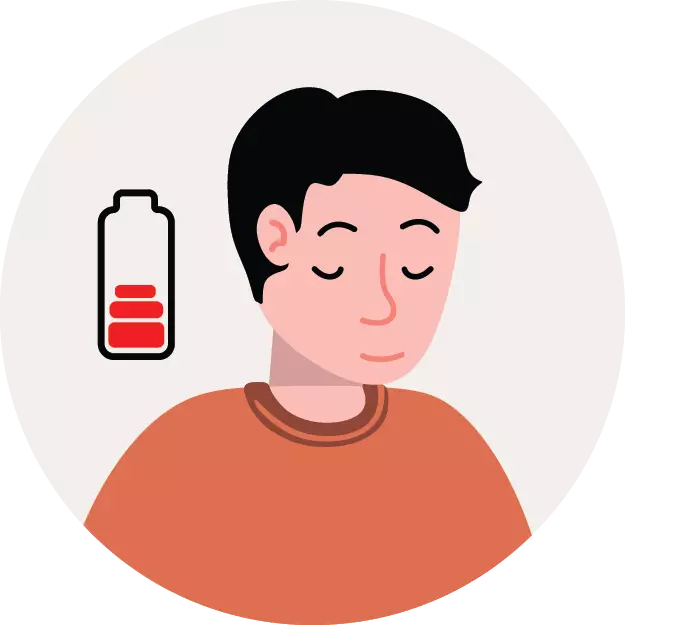 1. Fatigue That Doesn’t Go Away
Many people expect to feel tired when they’re dealing with a health condition, but several members of myHIVteam have been surprised by how intense and unrelenting that tiredness can be with HIV. This kind of tiredness is known as fatigue — a deep, ongoing exhaustion that affects both body and mind. It can make it harder to focus, stay active, or keep up with everyday responsibilities. Unlike regular tiredness, fatigue doesn’t always go away with rest.
“I’m very tired all the time,” one myHIVteam member shared. Another explained, “I work out, I eat well, I sleep, but the low energy is constant. It’s not just physical. It drags on my mood, too.”

Fatigue in HIV can have many causes: the immune system working overtime, medication side effects, other health conditions (like anemia or thyroid issues), or mental health challenges such as depression or anxiety. It can happen even when your viral load is undetectable and your CD4 count is in a healthy range. It’s a good idea to discuss fatigue and any potential root causes with your doctor.
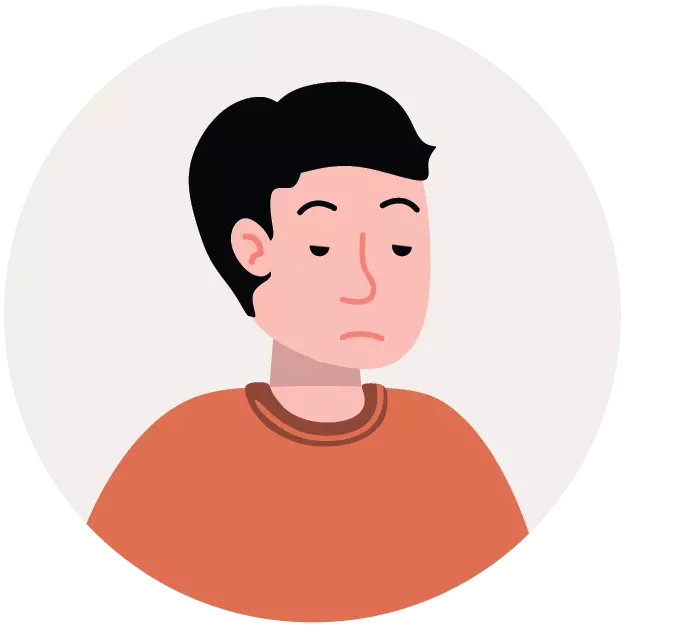 2. Sleep Disturbances
Sleep problems, including insomnia and disrupted sleep cycles, are frequently reported. These may stem from HIV-related inflammation, emotional distress, or the side effects of antiretroviral therapy (ART) — particularly older medications.
“The insomnia that goes with the meds they have us on, it’s hell,” one myHIVteam member said. Another simply described a persistent “lack of sleep.”
Improving sleep hygiene, adjusting medication timing, or exploring mental health support may provide relief.
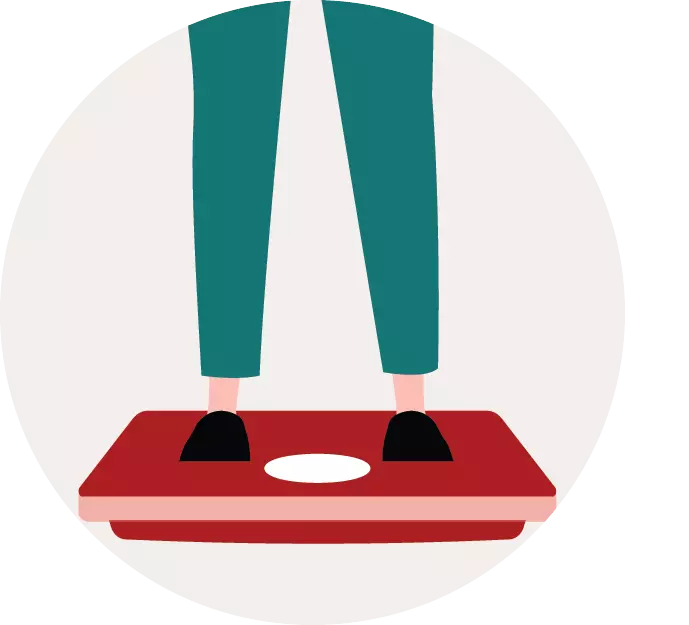 3. Weight Gain
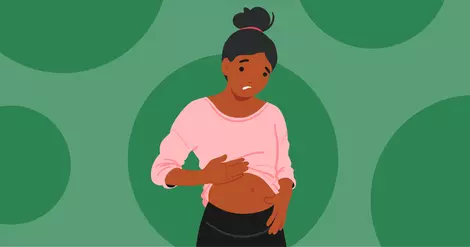
While many people associate weight loss with HIV, weight gain can catch people off guard. On today’s HIV medicines, many people notice overall weight gain (often around the belly).
That’s different from an older side effect called lipodystrophy (changes in where fat sits), which is linked to medicines that are rarely used now. This weight gain has been reported more often with certain groups of HIV drugs, such as integrase inhibitors and the medicine tenofovir alafenamide.
One myHIVteam member shared, “Weight gain and hard belly. I can’t lose it no matter what I do.” Another said, “Gaining weight in all the wrong places. Losing body mass. Hips, behind, no longer big.”

If weight changes are worrying you or interfere with your daily activities, a nutritionist or doctor can help you explore solutions.
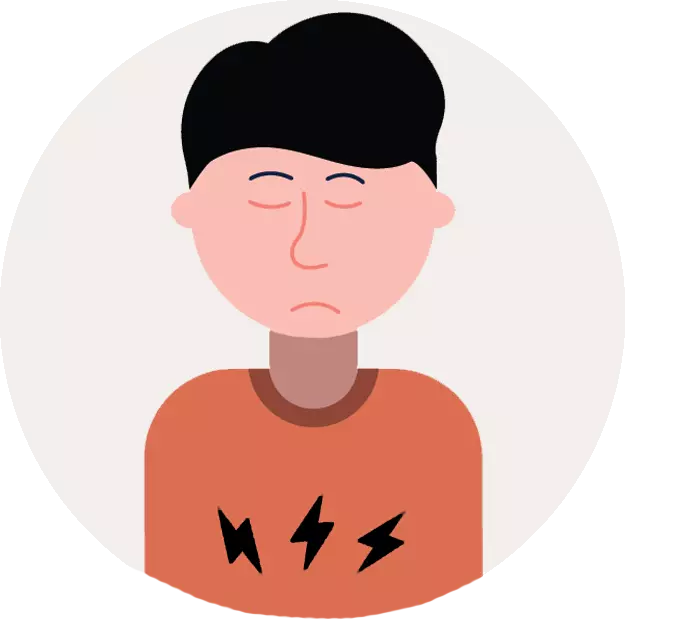
Digestive problems like chronic diarrhea, nausea, and vomiting may be caused by HIV itself, opportunistic infections, or medications. Ongoing gut inflammation is another possible contributor.
“The chronic diarrhea on an almost daily basis,” said one myHIVteam member. Another described “chronic sicknesses and diarrhea.”
Don’t ignore ongoing gastrointestinal symptoms. Your doctor can help rule out infections and adjust medications if necessary.
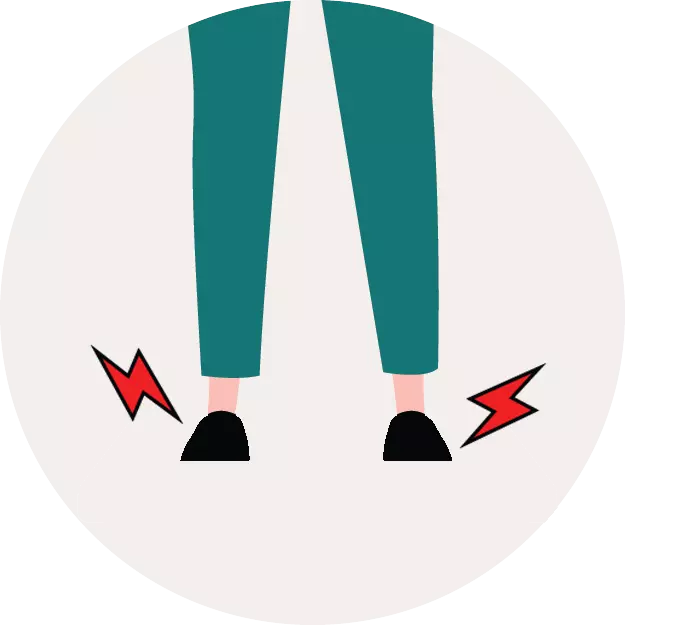 5. Neuropathy and Nerve Pain
Peripheral neuropathy (pain, burning, tingling, or numbness in the hands or feet) was more common with some older HIV medicines, especially drugs such as didanosine and stavudine. These drugs are no longer used in routine care in the United States, but people who took them in the past may still have nerve symptoms.
“The nerve pain is brutal,” said onemyHIVteam member. “Especially when it causes pain so bad, it makes it feel like I got kicked in the balls!”
Another described it as “antiretroviral toxic neuropathy, and it can’t be fixed in my blood, muscles, bones, spine.”
Neuropathy can sometimes be managed with medication, supplements, or physical therapy. Early intervention is key.
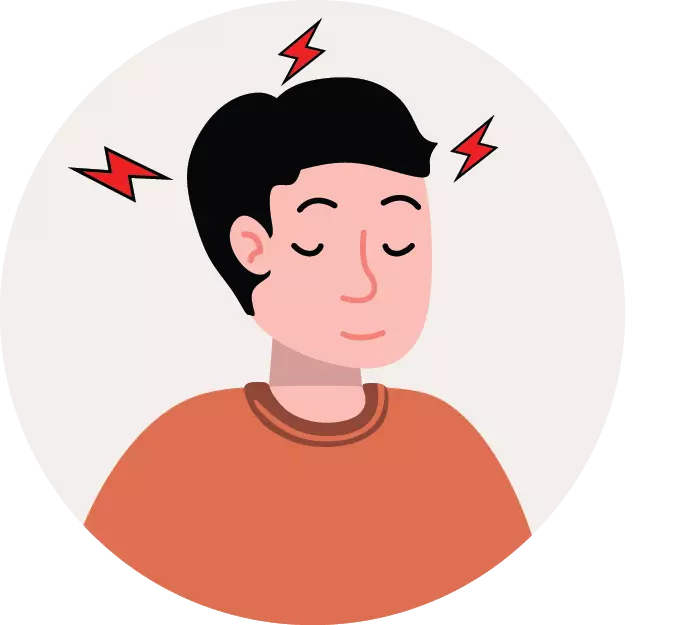 6. Changes in Thinking, Focus, or Memory
Living with HIV can affect cognitive (brain) function and mental health. HIV-associated neurocognitive disorder (HAND), along with anxiety, depression, and medication side effects, may contribute to trouble with memory, focus, or decision-making.
One myHIVteam member shared, “Not able to focus at times: anxiety and depression, dizziness, very tired. Also can’t sleep.”
Another traced symptoms to a specific medication: “Cognitive issues with executive functioning since taking Sustiva many years ago.” Today, efavirenz (Sustiva) isn’t a first-choice HIV medicine in the United States. Most people start on newer treatments that are less likely to cause these side effects in thinking or mood.
If you notice HIV is affecting your mental state or brain function, mental health support and medication changes may help. No one should feel alone navigating these challenges.
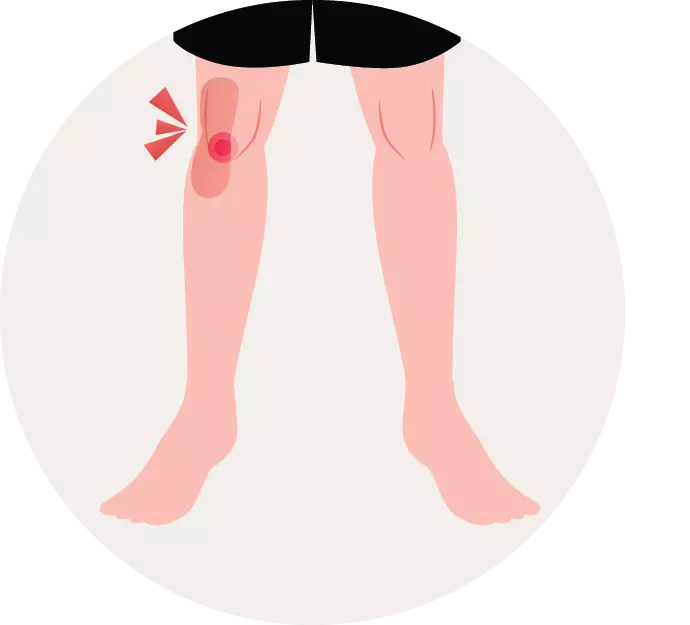 7. Chronic Pain
Chronic pain, including joint, muscle, or nerve pain, can significantly affect quality of life. Causes include inflammation, the side effects of ART, HIV-related complications, and coexisting health conditions.
“Excruciating pain in my lower back … the inability to walk without pain,” one myHIVteam member said. Another described “sharp pain in my legs and fingers.”
Pain management might include physical therapy, medication adjustments, or integrative treatments like acupuncture.
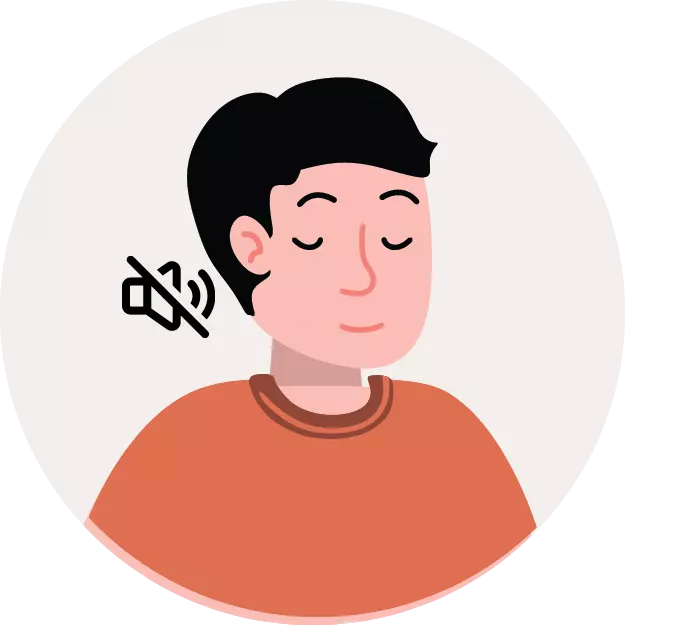 8. Hearing Loss
Though less commonly discussed, some people living with HIV report changes in hearing. Certain medications and the virus itself have been associated with auditory issues in small studies.
“I’m not sure if it’s because of HIV, but I do have significant hearing loss,” one myHIVteam member shared.
If you notice new or worsening hearing problems, it’s worth seeing an audiologist and reviewing your medications with your doctor.
While HIV is manageable with ART, the symptoms — especially unexpected ones — are very real. They can affect your body, mind, and relationships. It’s essential to speak openly with your healthcare provider and push for care that meets your needs.
On myHIVteam, people share their experiences with HIV, get advice, and find support from others who understand.
Which HIV symptom have you been the most surprised by? Let others know in the comments below.
Get updates directly to your inbox.


What if you were exposed to hiv while you off your prep can you be positive and still show a negative since you now current on prep ?


 Continue with Facebook
Continue with Email
Continue with Facebook
Continue with Email
Continue with Facebook
Continue with Email
Continue with Facebook
Continue with Email
Become a member to get even more





 Join
Join



 Your Privacy Choices

This is a member-feature!
Sign up for free to view article comments.
Yes, for years I had loose stools and diarrhea on and off with my meds. They sometimes seem to get better with certain food or diet. But to this day I can’t figure it out. Other side effects include… read more
We'd love to hear from you! Please share your name and email to post and read comments.
You'll also get the latest articles directly to your inbox.