... Even though this is a common concern, there is no risk of HIV transmission from sharing beverages or eating with another person. ...
... Using latex condoms and not sharing needles or syringes are also crucial for staying safe.Antiviral medication can reduce the risk of transmission from an infected sexual partner to an uninfected partner. People with herpes can take one of several antiviral medications to help prevent passing the infection to a partner. ...
Herpes vs. HIV: What’s the Difference Between Them?
... Using latex condoms and not sharing needles or syringes are also crucial for staying safe.Antiviral medication can reduce the risk of transmission from an infected sexual partner to an uninfected partner. People with herpes can take one of several antiviral medications to help prevent passing the infection to a partner. ...
... ’t be spread through saliva (sharing food or kissing), hugs, or mosquitoes.A person who has uncontrolled HIV infection, with higher levels of HIV in their body, can transmit HIV more easily than a person with a low amount of the virus.What Does It Mean To Be Undetectable? ...
Can You Donate Blood, Plasma, or Organs With Undetectable HIV?
... ’t be spread through saliva (sharing food or kissing), hugs, or mosquitoes.A person who has uncontrolled HIV infection, with higher levels of HIV in their body, can transmit HIV more easily than a person with a low amount of the virus.What Does It Mean To Be Undetectable? ...
... Post your thoughts in the comments below, or start a conversation by sharing on your Activities page. ...
... background — can become infected with HIV.Behavioral FactorsLifestyle choices and other behavioral factors have the most influence over who gets HIV.High-risk behaviors include: Having anal sex without using condoms Having vaginal sex without using condoms Having sex with multiple partners without using condoms Using intravenous (injected) drugs and sharing ...
HIV: Cause, Prevention, and Risk Factors
... background — can become infected with HIV.Behavioral FactorsLifestyle choices and other behavioral factors have the most influence over who gets HIV.High-risk behaviors include: Having anal sex without using condoms Having vaginal sex without using condoms Having sex with multiple partners without using condoms Using intravenous (injected) drugs and sharing ...
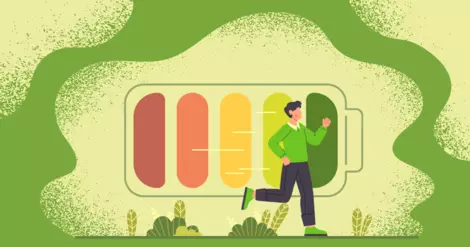
If you’re living with human immunodeficiency virus (HIV), you may find that you experience fatigu...
... Consider starting the conversation with your partner by asking about their thoughts and knowledge of HIV, addressing any misconceptions, and then sharing your own experiences. ...
... The virus can only be transmitted through bodily fluids, including blood, semen, vaginal fluids, and breast milk.How Does HIV Spread From Mother to Baby?HIV can spread from a parent to a baby during pregnancy, delivery, or breastfeeding because the virus is in bodily fluids like blood and breast milk. ...
HIV and Breastfeeding: 7 Facts To Know
... The virus can only be transmitted through bodily fluids, including blood, semen, vaginal fluids, and breast milk.How Does HIV Spread From Mother to Baby?HIV can spread from a parent to a baby during pregnancy, delivery, or breastfeeding because the virus is in bodily fluids like blood and breast milk. ...
If you or a loved one with human immunodeficiency virus (HIV) are having ongoing sleep problems, ...
Stigma and discrimination are often experienced by those with HIV. Many who are HIV positive are ...
Stigma and HIV
Stigma and discrimination are often experienced by those with HIV. Many who are HIV positive are ...







 Join
Join