... Even though this is a common concern, there is no risk of HIV transmission from sharing beverages or eating with another person. ...
... Risk factors for HIV include: Having anal or vaginal sex without a condom or medicines to prevent or treat HIV with someone whose status is unknown or who has HIV that’s not controlled by their own ART Having multiple sexual partners since the last HIV test Sharing needles, syringes, or other drug injection devices Having a history of sex work Being ...
HIV Sore Throat: Is It an Early Symptom of Infection?
... Risk factors for HIV include: Having anal or vaginal sex without a condom or medicines to prevent or treat HIV with someone whose status is unknown or who has HIV that’s not controlled by their own ART Having multiple sexual partners since the last HIV test Sharing needles, syringes, or other drug injection devices Having a history of sex work Being ...
... Additionally, HIV can enter the body through a skin break or open sore caused by an STI.Someone with an uncircumcised penis is more likely to contract HIV than someone who is circumcised, according to the CDC. ...
HIV: Cause, Prevention, and Risk Factors
... Additionally, HIV can enter the body through a skin break or open sore caused by an STI.Someone with an uncircumcised penis is more likely to contract HIV than someone who is circumcised, according to the CDC. ...
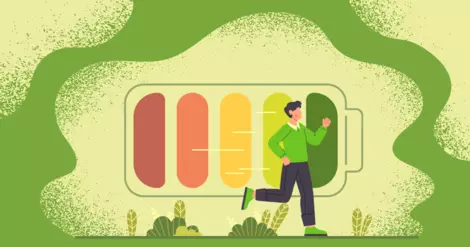
If you’re living with human immunodeficiency virus (HIV), you may find that you experience fatigu...
... Consider starting the conversation with your partner by asking about their thoughts and knowledge of HIV, addressing any misconceptions, and then sharing your own experiences. ...
... The risk of transmission depends on various factors, such as the duration of breastfeeding and the levels of HIV in the parent’s body.HIV cannot be transmitted through casual contact, such as hugging, kissing, or sharing utensils. ...
HIV and Breastfeeding: 7 Facts To Know
... The risk of transmission depends on various factors, such as the duration of breastfeeding and the levels of HIV in the parent’s body.HIV cannot be transmitted through casual contact, such as hugging, kissing, or sharing utensils. ...
... Continue reading to learn about four ways people with HIV can improve their sleep. 1. Maintain a Regular Sleep ScheduleTo get your body in the habit of sleeping through the night for a set number of hours, try to go to bed at the same time each night, regardless of whether it’s a weekday or weekend. ...
4 Ways To Sleep Better With HIV
... Continue reading to learn about four ways people with HIV can improve their sleep. 1. Maintain a Regular Sleep ScheduleTo get your body in the habit of sleeping through the night for a set number of hours, try to go to bed at the same time each night, regardless of whether it’s a weekday or weekend. ...
... Across Diverse Settings: A Review — American Journal of Public Health Disclosure and HIV — The Well Project Telling Others You Have HIV — International Association of Providers of AIDS Care Privacy, Confidentiality and Disclosure — Lambda Legal HIV and Privacy Laws: What You Need To Know — PrEP Daily PrEP — Centers for Disease Control and Prevention Sharing ...
Tips for Disclosing Your HIV Status to Others
... Across Diverse Settings: A Review — American Journal of Public Health Disclosure and HIV — The Well Project Telling Others You Have HIV — International Association of Providers of AIDS Care Privacy, Confidentiality and Disclosure — Lambda Legal HIV and Privacy Laws: What You Need To Know — PrEP Daily PrEP — Centers for Disease Control and Prevention Sharing ...
Stigma and discrimination are often experienced by those with HIV. Many who are HIV positive are ...
Stigma and HIV
Stigma and discrimination are often experienced by those with HIV. Many who are HIV positive are ...
When you’re living with the human immunodeficiency virus (HIV), it’s normal to wonder if your ev...







 Join
Join

 Your Privacy Choices