... Even though this is a common concern, there is no risk of HIV transmission from sharing beverages or eating with another person. ...
... Since these viruses are typically connected to sexual behavior and, in some cases, drug use, it’s normal to feel concerned or embarrassed about what your diagnosis says about you.But remember, your diagnosis is a private matter. Getting help gives you a chance to take back control and protect your health. ...
Herpes vs. HIV: What’s the Difference Between Them?
... Since these viruses are typically connected to sexual behavior and, in some cases, drug use, it’s normal to feel concerned or embarrassed about what your diagnosis says about you.But remember, your diagnosis is a private matter. Getting help gives you a chance to take back control and protect your health. ...
... ’t be spread through saliva (sharing food or kissing), hugs, or mosquitoes.A person who has uncontrolled HIV infection, with higher levels of HIV in their body, can transmit HIV more easily than a person with a low amount of the virus.What Does It Mean To Be Undetectable? ...
Can You Donate Blood, Plasma, or Organs With Undetectable HIV?
... ’t be spread through saliva (sharing food or kissing), hugs, or mosquitoes.A person who has uncontrolled HIV infection, with higher levels of HIV in their body, can transmit HIV more easily than a person with a low amount of the virus.What Does It Mean To Be Undetectable? ...
... Post your thoughts in the comments below, or start a conversation by sharing on your Activities page. ...
... According to the CDC, here are some key facts to know: HIV transmission — HIV can be spread through the exchange of fluids such as semen, blood, and breast milk. Higher-risk activities for HIV transmission include anal sex, vaginal sex, and sharing needles or equipment when using injectable drugs. ...
HIV Awareness Days: 6 Ways To Advocate for Yourself While Living With HIV
... According to the CDC, here are some key facts to know: HIV transmission — HIV can be spread through the exchange of fluids such as semen, blood, and breast milk. Higher-risk activities for HIV transmission include anal sex, vaginal sex, and sharing needles or equipment when using injectable drugs. ...
... background — can become infected with HIV.Behavioral FactorsLifestyle choices and other behavioral factors have the most influence over who gets HIV.High-risk behaviors include: Having anal sex without using condoms Having vaginal sex without using condoms Having sex with multiple partners without using condoms Using intravenous (injected) drugs and sharing ...
HIV: Cause, Prevention, and Risk Factors
... background — can become infected with HIV.Behavioral FactorsLifestyle choices and other behavioral factors have the most influence over who gets HIV.High-risk behaviors include: Having anal sex without using condoms Having vaginal sex without using condoms Having sex with multiple partners without using condoms Using intravenous (injected) drugs and sharing ...
... contact with someone in one of three ways: Injection into the bloodstream Contact with mucous membranes, such as those that line the vagina, penis, anus, and mouth Contact with an open wound, cut, or tear in the skin or mucous membranes (even if you can’t see it) HIV transmission usually occurs during anal or vaginal sex without a condom, or through sharing ...
Mosquitoes Can’t Spread HIV: Why They Transmit Certain Diseases
... contact with someone in one of three ways: Injection into the bloodstream Contact with mucous membranes, such as those that line the vagina, penis, anus, and mouth Contact with an open wound, cut, or tear in the skin or mucous membranes (even if you can’t see it) HIV transmission usually occurs during anal or vaginal sex without a condom, or through sharing ...
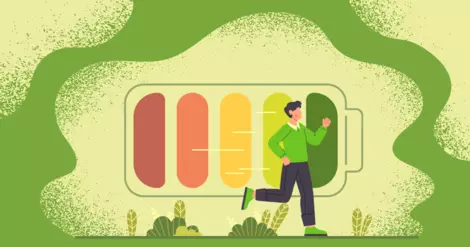
If you’re living with human immunodeficiency virus (HIV), you may find that you experience fatigu...
... Consider starting the conversation with your partner by asking about their thoughts and knowledge of HIV, addressing any misconceptions, and then sharing your own experiences. ...
... The virus can only be transmitted through bodily fluids, including blood, semen, vaginal fluids, and breast milk.How Does HIV Spread From Mother to Baby?HIV can spread from a parent to a baby during pregnancy, delivery, or breastfeeding because the virus is in bodily fluids like blood and breast milk. ...
HIV and Breastfeeding: 7 Facts To Know
... The virus can only be transmitted through bodily fluids, including blood, semen, vaginal fluids, and breast milk.How Does HIV Spread From Mother to Baby?HIV can spread from a parent to a baby during pregnancy, delivery, or breastfeeding because the virus is in bodily fluids like blood and breast milk. ...







 Join
Join

 Your Privacy Choices