... Even though this is a common concern, there is no risk of HIV transmission from sharing beverages or eating with another person. ...
... — Mayo Clinic HIV Infection and Cancer Risk — National Cancer Institute Herpes: HSV-1 and HSV-2 — Johns Hopkins Medicine QuickFacts: United States — United States Census Bureau U.S. Statistics — HIV.gov ...
Herpes vs. HIV: What’s the Difference Between Them?
... — Mayo Clinic HIV Infection and Cancer Risk — National Cancer Institute Herpes: HSV-1 and HSV-2 — Johns Hopkins Medicine QuickFacts: United States — United States Census Bureau U.S. Statistics — HIV.gov ...
... It was an AIDS-related form of cancer, and my world forever changed. I became a voice. A voice for many, including those who I visited in AIDS wards and those who I lobbied for. I fought my family, educators, and lovers—all unaware of the deadly affliction this virus created in my world. ...
How an AIDS-related Form of Cancer Changed My World Forever
... It was an AIDS-related form of cancer, and my world forever changed. I became a voice. A voice for many, including those who I visited in AIDS wards and those who I lobbied for. I fought my family, educators, and lovers—all unaware of the deadly affliction this virus created in my world. ...
... ’t be spread through saliva (sharing food or kissing), hugs, or mosquitoes.A person who has uncontrolled HIV infection, with higher levels of HIV in their body, can transmit HIV more easily than a person with a low amount of the virus.What Does It Mean To Be Undetectable? ...
Can You Donate Blood, Plasma, or Organs With Undetectable HIV?
... ’t be spread through saliva (sharing food or kissing), hugs, or mosquitoes.A person who has uncontrolled HIV infection, with higher levels of HIV in their body, can transmit HIV more easily than a person with a low amount of the virus.What Does It Mean To Be Undetectable? ...
... However, clinical studies have proved that HIV cannot survive outside the body — including on skin, in water, or in the air — and many bodily fluids do not carry HIV.The following types of contact cannot transmit HIV between people: Shaking hands Hugging Most kissing Sharing food or cooking utensils Coughing or sneezing Being bitten by mosquitoes or ...
HIV: Cause, Prevention, and Risk Factors
... However, clinical studies have proved that HIV cannot survive outside the body — including on skin, in water, or in the air — and many bodily fluids do not carry HIV.The following types of contact cannot transmit HIV between people: Shaking hands Hugging Most kissing Sharing food or cooking utensils Coughing or sneezing Being bitten by mosquitoes or ...
... CD4 cells are an important part of the immune system, so as HIV kills CD4 cells, it weakens the immune system and makes it harder for the body to fight off infections and even some types of cancer. ...
... Post your thoughts in the comments below, or start a conversation by sharing on your Activities page. ...
... Conditions like chronic kidney disease, heart disease, diabetes, and cancer — as well as some of their treatments — can all contribute to fatigue.HIV ItselfResearchers have found that HIV itself can be a cause of fatigue, although researchers are still trying to learn exactly how HIV-related fatigue occurs because it is complex. ...
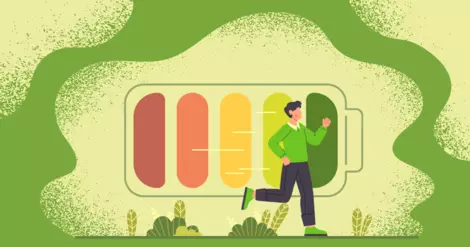
Fatigue and HIV: 6 Tips for Boosting Energy
... Conditions like chronic kidney disease, heart disease, diabetes, and cancer — as well as some of their treatments — can all contribute to fatigue.HIV ItselfResearchers have found that HIV itself can be a cause of fatigue, although researchers are still trying to learn exactly how HIV-related fatigue occurs because it is complex. ...
... Consider starting the conversation with your partner by asking about their thoughts and knowledge of HIV, addressing any misconceptions, and then sharing your own experiences. ...
If you or a loved one with human immunodeficiency virus (HIV) are having ongoing sleep problems, ...







 Join
Join

 Your Privacy Choices