... How HIV Is TransmittedHIV is transmitted from person to person through body fluids, like blood, semen, vaginal fluids, and breast milk. HIV is not transmitted through sweat, saliva, or tears. ...
... During this time, a person can still spread the virus even if their test result isn’t positive yet.Rapid HIV tests and self-testing kits continue to become more accurate and accessible, which helps people diagnose HIV earlier.What Are the Symptoms of HIV?HIV symptoms vary by the stage of HIV infection. ...
What Is Human Immunodeficiency Virus? What It Does and More
... During this time, a person can still spread the virus even if their test result isn’t positive yet.Rapid HIV tests and self-testing kits continue to become more accurate and accessible, which helps people diagnose HIV earlier.What Are the Symptoms of HIV?HIV symptoms vary by the stage of HIV infection. ...
... The risk is higher if the person giving oral sex has another STI (like herpes) or if there is semen in the mouth and the person has bleeding gums, oral sores, or genital ulcers.How Can Herpes and HIV Be Prevented?You can lower your risk of herpes and HIV by getting tested regularly and knowing both your own status and your partner’s. ...
Herpes vs. HIV: What’s the Difference Between Them?
... The risk is higher if the person giving oral sex has another STI (like herpes) or if there is semen in the mouth and the person has bleeding gums, oral sores, or genital ulcers.How Can Herpes and HIV Be Prevented?You can lower your risk of herpes and HIV by getting tested regularly and knowing both your own status and your partner’s. ...
... Even when the amount of virus in an individual’s blood is too low to be spread through sexual contact, it might be possible to transmit it through blood transfusions because more blood is involved. This is why people with HIV, regardless of their viral load, are ineligible to become plasma or blood donors.Organ donations pose a similar risk. ...
Can You Donate Blood, Plasma, or Organs With Undetectable HIV?
... Even when the amount of virus in an individual’s blood is too low to be spread through sexual contact, it might be possible to transmit it through blood transfusions because more blood is involved. This is why people with HIV, regardless of their viral load, are ineligible to become plasma or blood donors.Organ donations pose a similar risk. ...
... Have others asked you how HIV is spread? Share your questions or thoughts in the comments below or by posting on myHIVteam. References HIV and AIDS — Basic Facts — UNAIDS How Is HIV Transmitted? ...
... Doctors scrambled to figure out how AIDS was spread and how to stop it. ...
... Condoms can also help prevent the spread of other sexually transmitted infections (STIs), such as chlamydia and gonorrhea. To reduce the spread of HIV effectively, it's important to use condoms regularly — including every time someone has been exposed to the virus.The type of sexual activity also affects the risk of spreading HIV. ...
HIV-Negative Facts: Can You Get HIV if You and Your Partner Are Negative?
... Condoms can also help prevent the spread of other sexually transmitted infections (STIs), such as chlamydia and gonorrhea. To reduce the spread of HIV effectively, it's important to use condoms regularly — including every time someone has been exposed to the virus.The type of sexual activity also affects the risk of spreading HIV. ...
Dating while living with the human immunodeficiency virus (HIV) can present unique challenges, b...
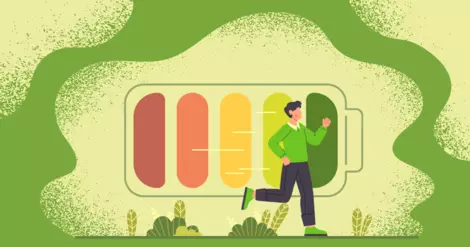
If you’re living with human immunodeficiency virus (HIV), you may find that you experience fatigu...
... The virus can only be transmitted through bodily fluids, including blood, semen, vaginal fluids, and breast milk.How Does HIV Spread From Mother to Baby?HIV can spread from a parent to a baby during pregnancy, delivery, or breastfeeding because the virus is in bodily fluids like blood and breast milk. ...
HIV and Breastfeeding: 7 Facts To Know
... The virus can only be transmitted through bodily fluids, including blood, semen, vaginal fluids, and breast milk.How Does HIV Spread From Mother to Baby?HIV can spread from a parent to a baby during pregnancy, delivery, or breastfeeding because the virus is in bodily fluids like blood and breast milk. ...






 Join
Join

 Your Privacy Choices