
Powered By



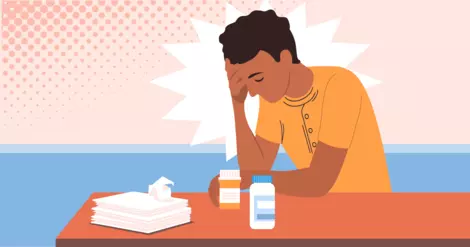
If you’ve recently been diagnosed with human immunodeficiency virus (HIV), you may be feeling a wide range of emotions, from worry and uncertainty to anger or sadness. There’s no right or wrong way to process an HIV diagnosis, and you don’t have to have everything figured out before your first appointment.
It is important to see a healthcare provider as soon as possible, even if you don’t feel sick. Starting HIV treatment as soon as possible is one of the best ways to stay healthy.
That first visit can help you learn more about your health, treatment options, and the support available to you. Knowing what to expect, what questions you may want to ask, and what information to bring can help you feel more prepared.
Sign up to view the results!
 Continue with Facebook
Continue with Email
Continue with Facebook
Continue with Email
If you’ve recently been diagnosed with HIV, you likely have some concerns. Not only are you probably wondering about your care and treatment options, but you may also be worried about cost, access to care, treatment side effects, or even transportation and support.
Fortunately, that first visit with your healthcare provider is the perfect opportunity for you to discuss these concerns openly and honestly so that you can get help addressing them. The key, though, is to come prepared and know what to expect.
During your first visit, your healthcare provider will likely run some lab tests, review your medical history, conduct a physical exam, and discuss HIV treatment. They may also assess your mental and emotional health, especially because an HIV diagnosis can feel overwhelming.
The good news is that HIV treatment, called antiretroviral therapy (ART), can help people with HIV live long, healthy lives. When ART lowers the amount of HIV in the blood to an undetectable level and it stays there, HIV isn’t sexually transmitted to partners.
In order to determine which HIV treatments are best for you, your doctor will perform some lab tests at that first visit. The tests can help them determine how far your HIV has progressed. These lab tests may include:
When you have HIV, asking questions can help you better understand your health, treatment, and care. You don’t need to ask every question in the table below. Focus on what matters most to you and what you want to understand first.
Most doctor’s visits are just over 15 minutes, so it can help to write down your questions ahead of time and choose the five or six topics you most want to discuss. You may also be able to ask additional questions later through the patient portal or by calling your healthcare team.
When planning your first visit to an HIV doctor after a diagnosis, it’s important to bring everything you have about your health history. This information will help your healthcare provider paint a clearer picture of your condition, treatment, and support needs.
Start with your basic identification like your driver’s license or state ID, insurance card, and pharmacy information. You should also bring copies for your medical history for your healthcare provider. Your medical history includes:
Being diagnosed with HIV can bring stress, fear, or uncertainty. But HIV today is very different from when the virus was first discovered in 1983. With treatment, most people are able to lower HIV to an undetectable level and keep it there.
Stigma and discrimination can still affect people living with HIV, and that can take a toll on mental health. If you or someone you love is struggling with anxiety, depression, or other concerns, a healthcare provider can help connect you with a mental health professional. You can also find support through the Substance Abuse and Mental Health Services Administration (SAMHSA) website.
If you or someone you love is having thoughts of suicide, call or text the 988 Suicide & Crisis Lifeline at 988 or use the chat at 988lifeline.org. If there is immediate danger, call 911. Support is available, and you don’t have to navigate HIV or its emotional impact alone.
Get updates directly to your inbox.


 Continue with Facebook
Continue with Email
Continue with Facebook
Continue with Email
Continue with Facebook
Continue with Email
Continue with Facebook
Continue with Email
Become a member to get even more





 Join
Join



 Your Privacy Choices

This is a member-feature!
Sign up for free to view article comments.
We'd love to hear from you! Please share your name and email to post and read comments.
You'll also get the latest articles directly to your inbox.