... — HIV.gov Human Immunodeficiency Virus (HIV) Infection: Screening — U.S. ...
... Testing and early treatment significantly slow the virus and therefore keep the immune system strong. ...
HIV Stages and Symptoms
... Testing and early treatment significantly slow the virus and therefore keep the immune system strong. ...
... For that reason, this medication isn’t recommended for people who already have heart conditions or a higher risk of cardiovascular disease.Rarely, NRTIs like abacavir can cause two specific conditions — lactic acidosis (lactic acid buildup in the blood) and steatosis (fatty liver disease). ...
Abacavir and Lamivudine: Why They’re Used Together
... For that reason, this medication isn’t recommended for people who already have heart conditions or a higher risk of cardiovascular disease.Rarely, NRTIs like abacavir can cause two specific conditions — lactic acidosis (lactic acid buildup in the blood) and steatosis (fatty liver disease). ...
... One test that should be considered for people suspected to have recent exposure or acute HIV symptoms is the nucleic acid test (NAT). NATs measure the amount of virus in the blood and can detect HIV as early as 10 to 33 days after exposure.Antibody and antigen/antibody tests are also available. ...
HIV Sore Throat: Is It an Early Symptom of Infection?
... One test that should be considered for people suspected to have recent exposure or acute HIV symptoms is the nucleic acid test (NAT). NATs measure the amount of virus in the blood and can detect HIV as early as 10 to 33 days after exposure.Antibody and antigen/antibody tests are also available. ...
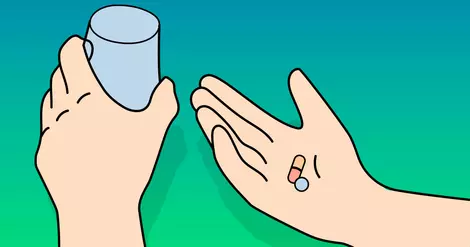
... The only times when HIV treatment may not be recommended are if the person’s body is controlling the HIV well enough on its own and the HIV NAAT blood test result is negative or undetectable.There are many types of ART that work very well for people with HIV-1. In the past, ART medications were mainly available only in pill form taken every day. ...
HIV-1 vs. HIV-2: What Are The Differences and Can You Have Both?
... The only times when HIV treatment may not be recommended are if the person’s body is controlling the HIV well enough on its own and the HIV NAAT blood test result is negative or undetectable.There are many types of ART that work very well for people with HIV-1. In the past, ART medications were mainly available only in pill form taken every day. ...
... NATs require sending a blood sample taken from your vein to the laboratory for testing.NATs can often detect an HIV infection earlier than other tests because they detect particles of the virus itself. ...
... With the help of ART, the virus can be lowered to almost undetectable amounts in the body, so there’s less chance of passing it to others. ...
Treatment for HIV
... With the help of ART, the virus can be lowered to almost undetectable amounts in the body, so there’s less chance of passing it to others. ...
... These medications are used to prevent the virus from creating more copies of itself, which increases the viral load (the number of virus copies found in the blood).The goal of taking ART is to eventually have an undetectable viral load. This means that your copies of the virus are so low that the viral load test cannot find them. ...
HIV-Negative Facts: Can You Get HIV if You and Your Partner Are Negative?
... These medications are used to prevent the virus from creating more copies of itself, which increases the viral load (the number of virus copies found in the blood).The goal of taking ART is to eventually have an undetectable viral load. This means that your copies of the virus are so low that the viral load test cannot find them. ...
... under any of the following conditions: CD4 cell count has fallen below 200 cells per cubic millimeter CD4 cells make up less than 14 percent of a person’s lymphocytes They find one or more opportunistic infections, such as candidiasis (yeast infection) in the throat or lungs, toxoplasmosis of the brain, Kaposi’s sarcoma, invasive cervical cancer, or many ...
Diagnosing HIV
... under any of the following conditions: CD4 cell count has fallen below 200 cells per cubic millimeter CD4 cells make up less than 14 percent of a person’s lymphocytes They find one or more opportunistic infections, such as candidiasis (yeast infection) in the throat or lungs, toxoplasmosis of the brain, Kaposi’s sarcoma, invasive cervical cancer, or many ...
... Find Your TeamIf you or a loved one has been diagnosed with HIV, you may be left with many questions. You can ask these questions and more at myHIVteam — the online social network with more than 35,000 members. ...








 Join
Join