... The virus particle eventually pushes its way out of the cell, forming an outer envelope made from viral proteins as well as pieces of the cell’s membrane.After the virus particle breaks free from the cell, a protein called protease goes to work. It processes other virus proteins by taking long protein chains and cutting them into smaller pieces. ...
HIV as a Retrovirus: Life Cycle and How It Infects a Cell
... The virus particle eventually pushes its way out of the cell, forming an outer envelope made from viral proteins as well as pieces of the cell’s membrane.After the virus particle breaks free from the cell, a protein called protease goes to work. It processes other virus proteins by taking long protein chains and cutting them into smaller pieces. ...
... It’s essential to discuss your complete medical history with your health care provider to ensure that GLP-1 drugs are safe for you.On the positive side, some GLP-1 drugs may offer additional benefits, especially for people with heart problems or kidney disease. ...
GLP-1 Drugs and HIV: Is It Safe To Take Them With Your Meds?
... It’s essential to discuss your complete medical history with your health care provider to ensure that GLP-1 drugs are safe for you.On the positive side, some GLP-1 drugs may offer additional benefits, especially for people with heart problems or kidney disease. ...
... ReferencesTwo More People With HIV May Be Cured After Stem Cell Transplants — Aidsmap ...
... A balanced diet can help reduce fatigue and prevent conditions like anemia (a low red blood cell count), which can be caused by a lack of iron, vitamin B12, or vitamin B9 (folate). Furthermore, proper nutrition can strengthen your immune system, helping you fight off infections and withstand disease progression, which may contribute to fatigue.5. ...
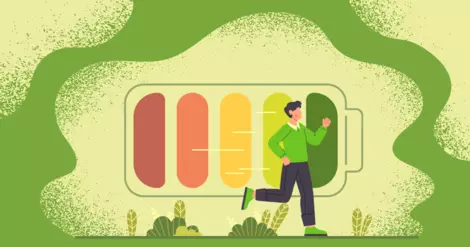
Fatigue and HIV: 6 Tips for Boosting Energy
... A balanced diet can help reduce fatigue and prevent conditions like anemia (a low red blood cell count), which can be caused by a lack of iron, vitamin B12, or vitamin B9 (folate). Furthermore, proper nutrition can strengthen your immune system, helping you fight off infections and withstand disease progression, which may contribute to fatigue.5. ...
... You may choose to work with a social worker who can help you do this in a way that feels safe to you.Tips for Preparing To Disclose Your StatusBefore you disclose, make sure you are ready to do it. Consider whether you feel safe with the person if you do so and how you plan to do it. ...
Tips for Disclosing Your HIV Status to Others
... You may choose to work with a social worker who can help you do this in a way that feels safe to you.Tips for Preparing To Disclose Your StatusBefore you disclose, make sure you are ready to do it. Consider whether you feel safe with the person if you do so and how you plan to do it. ...
... Counselors, therapists, and other health care providers are happy to discuss strategies to have a safe and fulfilling dating life. ...
... If you’re struggling to sleep and you drink caffeine, it’s worth talking to your doctor to find out what they think you should do.Caffeine and Other Medical ConditionsAlthough caffeine is generally considered safe in the amounts found in coffee and tea, it may not be the best choice for some people with certain medical conditions. ...
Caffeine and HIV: Should You Drink Coffee and Energy Drinks?
... If you’re struggling to sleep and you drink caffeine, it’s worth talking to your doctor to find out what they think you should do.Caffeine and Other Medical ConditionsAlthough caffeine is generally considered safe in the amounts found in coffee and tea, it may not be the best choice for some people with certain medical conditions. ...
... Other risk factors for gaining weight after starting HIV treatment include being assigned female at birth, being less healthy when starting treatment, being of lower socioeconomic status, or being Black or of African descent. These groups are more likely to experience significant weight gain after starting treatment for HIV.4. ...
4 Causes of Weight Gain With HIV
... Other risk factors for gaining weight after starting HIV treatment include being assigned female at birth, being less healthy when starting treatment, being of lower socioeconomic status, or being Black or of African descent. These groups are more likely to experience significant weight gain after starting treatment for HIV.4. ...
... AIDS is diagnosed when CD4 cell counts drop below 200 cells per cubic millimeter or when certain infections or types of cancer develop. ...
HIV Stages and Symptoms
... AIDS is diagnosed when CD4 cell counts drop below 200 cells per cubic millimeter or when certain infections or types of cancer develop. ...
HIV is a lifelong infection that causes the body to attack its own immune system. When not contro...







 Join
Join