

Connect with others who understand.

  • Learn from expert-reviewed resources
  • Real advice from people who’ve been there
  • People who understand what you’re going through
Sign Up Log In
Powered By
Real members of myHIVteam have posted questions and answers that support our community guidelines, and should not be taken as medical advice. Looking for the latest medically reviewed content by doctors and experts? Visit our resource section.

on’t really want to delete your contact. But after I told you about my condition, I felt like something changed between us, and that honestly made me a little sad.

I’m not blaming you at all. I truly hope you will always be happy and live a good life.

I’m also really grateful for your help when I was in Yogyakarta. It means a lot to me and I will always remember your kindness.

If someday I delete your number or unfollow your Instagram, it’s not because I’m angry or hate you. It’s simply… read more

March 8
 · 
Reactions
A myHIVteam Member

Hi herumaulana, I noticed you were sharing some support here! I wanted to reach out because I want to make sure the person you are replying to actually sees your message.

Since this was posted in the 'Question and Answer' section rather than as a direct comment, they might not get a notification. To make sure they see it, it's usually best to reply directly under their post or tag them.

While you're here, I also wanted to check in on you. Was there a specific question you had, or is there anything we can help you with today? We’re glad to have you in the community!

March 13
myHIVteam

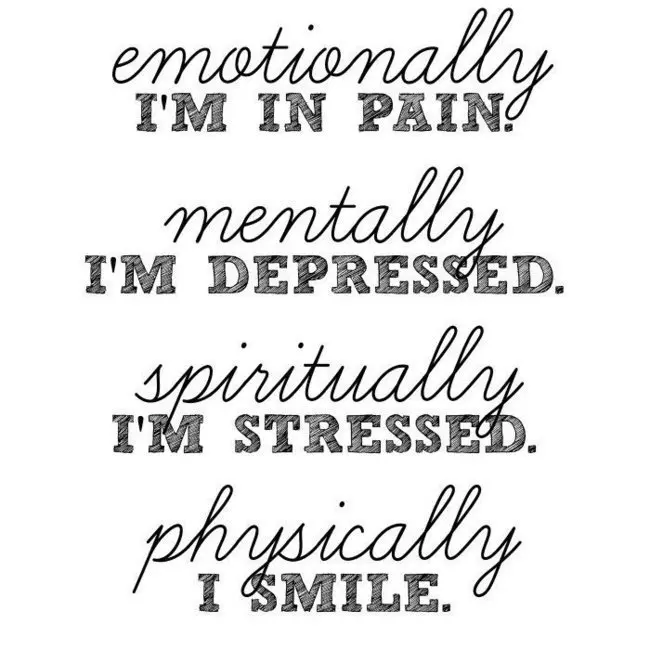
How can you cope with the pain of feeling rejected after disclosing your HIV status?

What you're feeling is incredibly valid and deeply painful. Disclosure can be one of the hardest parts of living with HIV, especially when relationships shift afterward.

Many people with HIV have experienced similar heartbreak. A Show Full Answer

How can you cope with the pain of feeling rejected after disclosing your HIV status?

What you're feeling is incredibly valid and deeply painful. Disclosure can be one of the hardest parts of living with HIV, especially when relationships shift afterward.

Many people with HIV have experienced similar heartbreak. A myHIVteam member shared how they were "discriminated against by three people who were supposedly my friends" and dealt with "long years of loneliness without talking about this." Another member described the emotional rollercoaster of stigma—fear, anxiety, sadness, and feeling like an outcast.

Here are some ways to protect your heart while moving forward:

- Allow yourself to grieve this relationship change—your feelings matter
- Remember that disclosure takes courage, and being honest was the right choice for your wellbeing
- Protect your peace by setting boundaries, even if that means stepping back from certain connections
- Seek support from others who understand—you're not alone in this experience
- Focus on people who accept you fully and treat you with dignity

One member reflected after 18 years: "What a wonderful human being I am. What a good person I am, with dignity and self-worth. Our chronic illnesses make our light shine through every shade of darkness."

Your worth isn't determined by how others respond to your status. Taking care of your emotional health by protecting yourself from painful situations is an act of self-love, not anger.

March 8

Related Questions

View All
A myHIVteam Member asked a question 💭
Edmore, MI

A myHIVteam Member asked a question 💭
Bakersfield, CA